AI-generated editorial illustration; not a contest entrant or winner.
Baby Photo Storytelling: How to Capture a Day, Not Just a Pose
The best family photographs do more than show a face. They keep the sound, texture, and rhythm of an ordinary day within reach.
A portrait says, Here is my baby. A story says, Here is what it was like to be together. The second kind of picture often lives longer in the heart. It may be a hand gripping a spoon, a sock left in the hallway, or the quiet after a bath.
Begin With the Shape of the Day
Before you lift the camera, notice the rhythm. Morning light. A bottle or breakfast. The first laugh. A stretch of floor play. The long pause before sleep. You do not need to photograph everything. Choose three or four turns in the day and let the story breathe between them.
Build With Three Kinds of Frames
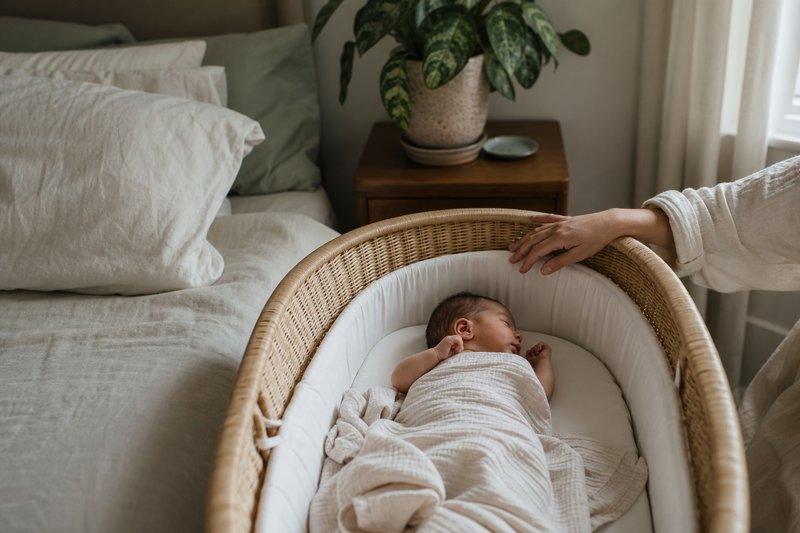
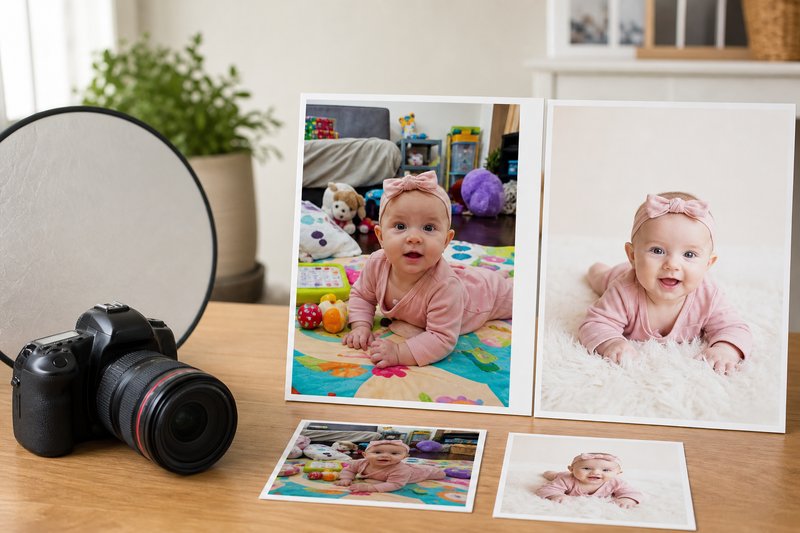
- The wide frame. Show the room, the blanket, the person who is holding your baby. This is where the scene lives.
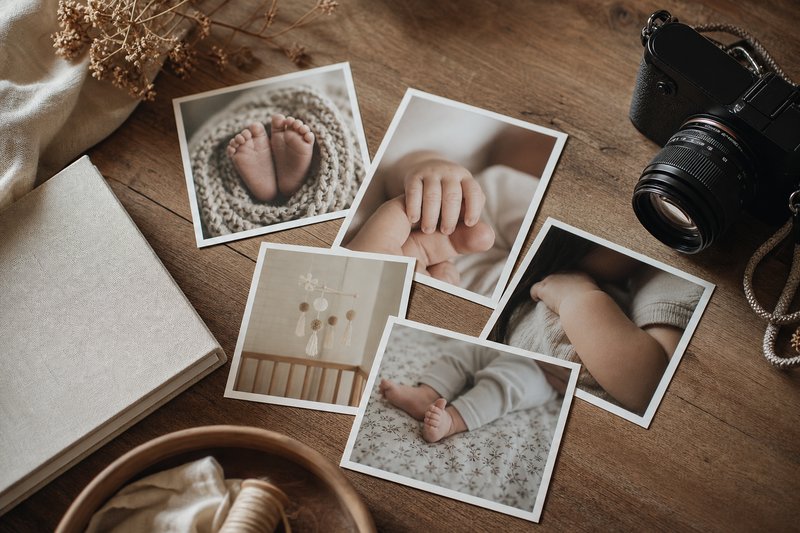
- The close frame. Move in for eyelashes, dimples, crumbs, fingers, and the worn edge of a favorite toy.
- The in-between frame. Photograph the reaching, turning, waiting, and recovering. A story is made of transitions as much as milestones.
Let the Hands Do Some of the Talking
Faces are expressive, but hands carry a quieter record. A baby’s hand around a parent’s finger. A toddler arranging blocks. A caregiver smoothing a blanket. These details age well because they show relationship, not only appearance.
A gentle rule for candid photographs
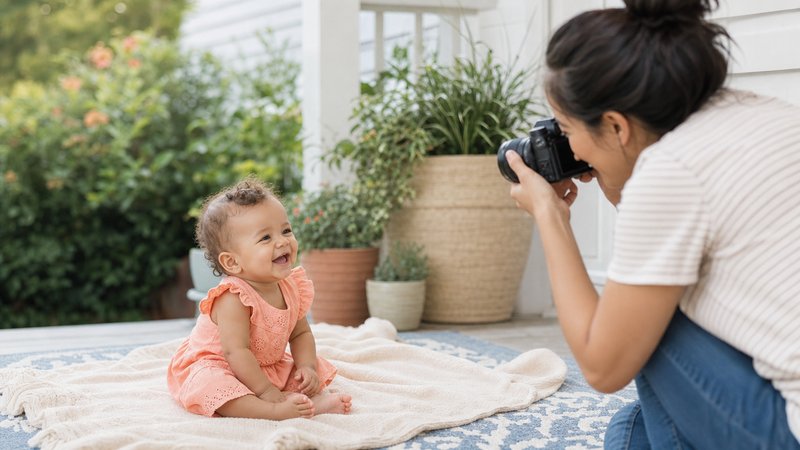
Follow the attention. If your baby is absorbed in a patch of light or the sound of a spoon, photograph that concentration before asking for a smile.
Keep the Light Honest
Use the light that already belongs to the scene. A window, a hallway, or the soft edge of a lampshade can be enough. Watch for bright distractions behind the baby, then move your own feet before rearranging the room. Our first-year photography guide has more ways to work with everyday light.
Photograph the People Around the Baby
Parents often become the unseen crew. Put the camera down long enough to make room for yourself in the record. Ask a partner, friend, or older sibling to take a frame. A family archive should show the people who made the day possible, not only the person who was easiest to photograph.
Edit for Feeling, Not Perfection
Choose a small sequence instead of one hundred nearly identical images. Keep the frame with the crooked pajama cuff if it carries more life. A little motion, a half-closed eye, or a cluttered corner can be evidence that the moment was real.
Write One Sentence
A short note gives a photograph a second layer. Name the weather, the new sound, the song you were singing, or the thing that made everyone laugh. Years from now, the sentence may return the room more completely than the image alone.
Do not wait for a perfect day. The work of family photography is to notice the day you actually have—and keep one clear piece of it.
Disclaimer: This article offers general photography inspiration. Supervise babies and children during every photo session and keep props, cords, furniture, and elevated surfaces safe.
Your Baby Could Be Our Next Winner!
Cash Prize in monthly prizes • FREE entry • Real winners • Optional paid votes